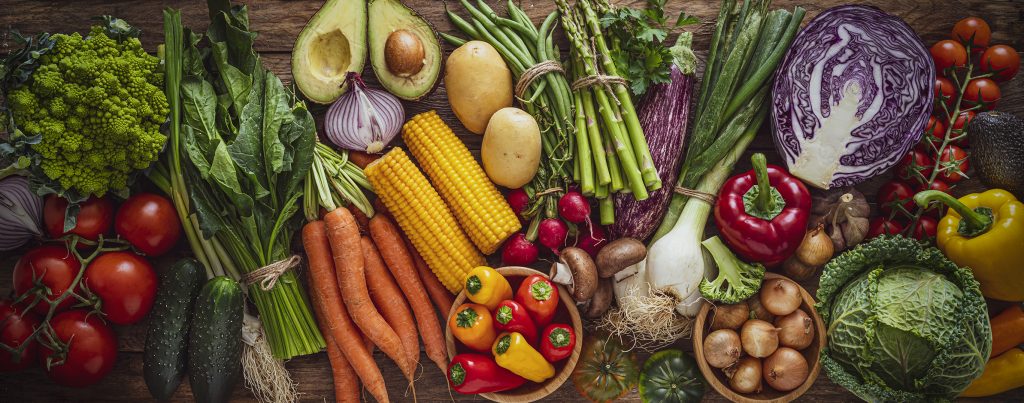
We all know that vegetables are good for you. Growing up, time after time, we heard our parent(s) shouting at us from the other room to, “Eat your broccoli,” perhaps as our brother or sister is feeding the little broccoli florets to the dog underneath the table. Of course, as kids, we don’t always understand the reasoning behind the push for daily vegetables. Nutritional guidance has always recommended adequate vegetable intake for several good reasons. Namely, eating a variety of vegetables helps one get adequate micronutrients, also known as vitamins, and minerals to help keep you healthy. Secondly, vegetables provide a great source of fiber and antioxidants, which are important for digestion and preventing long term damage to the cells in your body, respectively. Overall, the benefits of eating vegetables play an important role in disease prevention and overall health. Oftentimes, people may not find vegetables to be their favorite flavor or food group. So, how do you get enough vegetables then? My personal favorite ways of eating them are roasting with some seasonings or sneaking them into dishes. For the roasting, I’ll cut up the vegetables into bite-sized pieces and spread them on a baking sheet, season them and then bake at a relatively high temperature oven (about 400 degrees). This results in cooked-through, yet slightly crispy vegetables I can add to any dish or eat on their own. My second favorite way to add vegetables is to sneak them into dishes. For example, if I’m making scrambled eggs, I will add small pieces of vegetables into them. Another sneaky way I’ve done this is using a blender — I’ve made mashed potatoes mixed with pureed turnips or cauliflower, and since I’ve only mixed half the recipe, it still tastes the same to me. One personal favorite is a chicken stew, but instead of using heavy cream to get the creamy texture of the stew, I’ve pureed cauliflower with some liquid (milk or broth). This gives a hefty dose of vegetables and omits the fatty heavy cream. To find out more about recommended vegetable intake, check out the new dietary guidelines for Americans at Vegetables | MyPlate. Of course, if you have any specific dietary needs, always check with your doctor or a registered dietician. If you have no specific medical nutrition needs, you can also ask a qualified nutritionist for help.
This is general nutrition advice. Speak to your doctor, or licensed dietician nutritionist if you have specific medical conditions warranting special nutrition recommendations.